
Triathlon Training Guide for Beginners: Start Strong
Introduction
Have you decided to take on the exciting challenge of a triathlon? You're in great company! Every year, millions of people participate in this incredible test of endurance. As a beginner, preparing for your first race can feel like a huge task, but with the right approach, it can be a rewarding journey. This guide is designed to help you prepare for a sprint triathlon, the perfect distance for newcomers. We'll cover everything from training basics to what you'll need on race day, starting with your running shoes.
Understanding Triathlon Training for Beginners
Triathlon training, or "tri" training, is a unique endurance sport that combines three different disciplines: swimming, cycling, and running. Your goal is to build stamina and skill across all three, rather than just mastering one. This requires a balanced approach to your fitness training schedule.
For many beginners, the swim can be the most intimidating part, especially if it's in open water. However, with consistent practice in swimming, cycling, and running, you'll build the confidence and physical readiness needed. It's about getting your body used to the demands of each sport, from your swim stroke to your stride in your running shoes. Let's explore what makes this type of training so distinct.
What Makes Triathlon Training Unique?
The most unique aspect of triathlon training is that you are preparing for three disciplines at once. Unlike focusing on just a marathon or a cycling event, you must divide your energy and time between swimming, biking, and running. This variety is what makes it so engaging, but also requires careful planning. You'll need to develop proficiency in each sport to feel confident on race day.
Another key element is the transition. The "fourth discipline" of triathlon, the transition area, is where you switch from swimming to cycling (T1) and from cycling to running (T2). This means you have to practice not just the sports themselves, but also the act of changing gear quickly. You'll be taking off a wetsuit and swim cap, putting on a helmet and cycling shoes, and then later swapping that gear for your running shoes.
Finally, the combination of activities tests your body in different ways. Your muscles will go from the horizontal, full-body workout of an open water swim to the leg-dominant power of cycling, and finally to the high-impact effort of running. Starting your triathlon training involves assessing your fitness, getting the basic gear like a road bike, and creating a balanced plan.

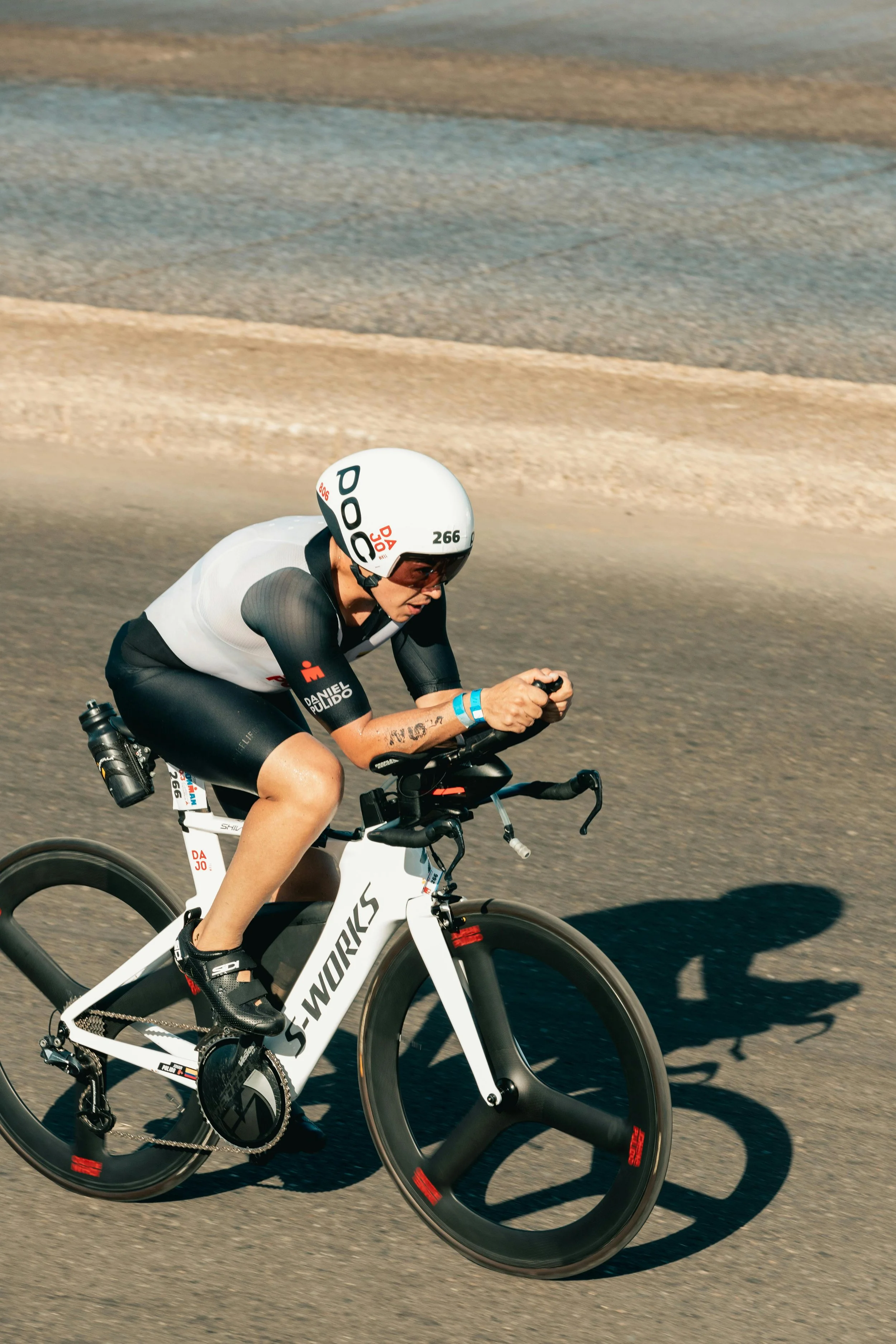


Key Components: Swim, Bike, and Run Training
To successfully train for a triathlon, you need to balance your efforts across all three sports. A well-rounded plan ensures you don't neglect a weaker area while overtraining a strength. The key is consistency and giving each discipline dedicated time in your weekly schedule.
Balancing your workouts depends on your current fitness level and experience with each sport. A good starting point is to dedicate at least two sessions per week to each activity. This allows you to build a solid foundation without burning out. For example, your week could include:
Swim: Two sessions, one focused on technique and the other on endurance.
Bike Ride: Two sessions, one shorter and faster, another longer for stamina.
Run: Two sessions, including one run immediately after a bike ride (a "brick" workout).
This structure ensures you are consistently engaging the different muscle groups required for swimming, cycling, and running. As you progress, you can adjust the frequency and intensity of your swim, bike, and run workouts based on your improvement and how your body feels. An open water swim practice is also crucial if your race is not in a pool.
Getting Started: What You Need Before Your First Triathlon
Before you dive into training, it's helpful to gather some basic gear. As a beginner triathlete, you don't need to break the bank on the most expensive equipment. The focus should be on comfort, fit, and function. A good pair of running shoes and comfortable bike shorts, for example, will make a big difference in your training.
You can start with a standard road bike; even a mountain bike or cruiser can work for your first race. A visit to a local bike shop can help you ensure your bike is properly fitted and safe to ride. As you get closer to race day, you'll also want to think about gear for the open water swim. We’ll cover the essential equipment you’ll need to get started.
Essential Gear Checklist for Swim, Bike, and Run Training
Having the right gear will make your training more comfortable and efficient. While you can accumulate more advanced items over time, a few key pieces of equipment are essential for any beginner. For the swim, your main needs are visibility and comfort in the water.
Your bike gear is where you'll have the most items, but you can start simple. A basic road bike is perfect for a first-timer. For the run, the most important investment is a quality pair of running shoes to prevent injury and provide support. Here is a basic checklist to get you started:
Swim: Goggles, a swim cap, and a wetsuit (if the water is cold).
Bike: A road bike, helmet (mandatory for races), bike shorts, and a water bottle.
Run: A good pair of running shoes.
Race Day: A tri-suit or comfortable athletic wear.
You might also consider adding small tools like tire levers for your bike. Remember, you don't need the fanciest gear. Focus on what is functional and comfortable for you. You will practice setting up all your gear in the transition area to be ready for your race number to be called.
Step-by-Step Guide: How to Begin Your Triathlon Training Journey
Starting your training journey can feel overwhelming, but breaking it down into manageable steps makes it much easier. The first step for any beginner is to create a training plan that matches your current fitness level and builds gradually. You don't want to jump into high mileage or intense riding right away.
Begin by practicing each discipline in a controlled environment. For swimming, start in a pool. For biking, find safe paths or use a stationary bike before hitting the open road with your road bike. This approach helps you build confidence and technique safely. Let's walk through the steps to build your plan.
Step 1: Assessing Your Current Fitness and Setting Goals
The first essential step is to honestly evaluate your current fitness level. Are you a strong runner but new to swimming? Or perhaps you're comfortable on a bike but haven't run in years? Understanding your starting point helps you create a realistic and effective training plan. A beginner triathlete should focus on building a base level of endurance across all three sports.
Next, set a clear and achievable goal. For most beginners, the goal is simply to finish the race. Don't worry about your time or ranking. Focusing on completion takes the pressure off and allows you to enjoy the process. You can track progress by monitoring how you feel, your heart rate during workouts, or the distances you can comfortably cover.
Before you even lace up your running shoes for the first training session, it's also a great idea to consult with your doctor. Getting a check-up ensures you are healthy enough to begin a new fitness program, giving you peace of mind as you start your journey toward building triathlon endurance.
Step 2: Building a Balanced Weekly Training Plan
Once you've assessed your fitness, it's time to build your weekly training schedule. A balanced plan for a beginner should include two sessions of each discipline: swim, cycling, and running. It is also crucial to schedule rest days to allow your body to recover and adapt.
A great way to simulate race day is to include "brick" workouts, which involve doing two disciplines back-to-back. The most common brick is a bike ride followed immediately by a run. This helps your legs get used to the feeling of running after cycling. Remember to build your mileage gradually, increasing it by no more than 10% each week to avoid injury. Your training can start in a controlled environment before you venture out.
Here is a sample weekly plan for a beginner. Adjust the duration based on your fitness level.
| Day | Activity |
|---|---|
| Monday | Swim (30-45 minutes, focus on technique) |
| Tuesday | Bike (45-60 minutes, steady pace) |
| Wednesday | Rest or light activity (stretching, yoga) |
| Thursday | Run (30 minutes, easy pace) |
| Friday | Swim (30-45 minutes, endurance focus) |
| Saturday | Brick Workout: Bike (60 min) + Run (20 min) |
| Sunday | Rest |
Step 3: Focusing on Swim Training Techniques
For many new triathletes, the swim is the most challenging leg. To improve, focus on technique over speed. Efficient swimming conserves energy that you'll need for the bike and run. A key technique is to keep your head down and rotate your body from side to side with each stroke. This helps you move through the water more smoothly.
Breathing is another critical component. Practice breathing to both sides (bilateral breathing) every two or three strokes. This skill helps you adapt to water conditions and other swimmers around you. If you're new to swimming, consider getting a few lessons from a coach who can provide personalized feedback on your form.
If your race includes an open water swim, it's vital to practice sighting—lifting your head briefly to spot a buoy or landmark to stay on course. Get comfortable wearing your goggles, swim cap, and wetsuit (if you're using one) during training so there are no surprises on race day. Focusing on a smooth, consistent stroke cadence will make a huge difference.
Step 4: Developing Bike Training Skills
The bike portion is the longest part of a triathlon, so efficiency is key. You don't need a fancy lightweight carbon fiber bike to start; a standard road bike will do just fine. What's most important is that the bike is fitted correctly to your body. A professional bike fitting can prevent discomfort and injury, ensuring your saddle and handlebars are in the right position.
Focus on developing a smooth and efficient pedal stroke. Think of your foot moving in a circle, like a clock. Push down from 12 to 6 o'clock and then pull back and up from 6 to 12. Using clipless pedals can help you get the most power out of each stroke. Practice shifting gears smoothly, especially when approaching hills, so you can maintain a steady cadence.
Get comfortable with the basics of cycling during your training. Practice starting, stopping, turning, and drinking from your water bottle while riding. If you can, join a local cycling group to get accustomed to riding with others. A simple cycling computer can help you track your speed and distance during each bike ride, helping you balance your training efforts.
Step 5: Improving Run Training and Endurance
The final leg of the triathlon is the run, and your goal is to finish strong. Building your running endurance is crucial, as your legs will already be tired from the swim and bike. Start by getting a quality pair of running shoes that provide proper support for your feet and gait. This is one of the most important investments you can make to prevent injuries.
Focus on your running form to conserve energy. Try to maintain a quick, light foot strike and a high cadence (around 170-180 steps per minute). This reduces the impact on your joints and helps you run more efficiently. Lean forward slightly from your chest and keep your arms relaxed, swinging back and forth.
For a sprint triathlon, you'll be running 3.1 miles. Build up your distance gradually in training, and make sure you can comfortably run a bit more than the race distance before race day. Including one run immediately after your long bike ride (a brick workout) is one of the best tips for preparing your body for how it will feel to run off the bike.
Nutrition, Recovery, and Common Mistakes for Beginners
Proper nutrition and recovery are just as important as your training sessions. Fueling your body correctly gives you the energy to perform, while rest allows your muscles to repair and get stronger. You'll want to practice your hydration and nutrition strategy, including when to use energy gels, especially during the bike leg.
Ignoring recovery is a common mistake that can lead to burnout or injury. Incorporating rest days, stretching, or even light yoga into your routine is essential. Understanding how to manage these aspects, along with avoiding common pitfalls like friction from gear, will set you up for success. Let's look at some specific tips for nutrition and recovery.
Nutrition Tips for Triathlon Training and Fitness
Your nutrition strategy plays a huge role in your training and on race day. The main guideline for novice triathlon training is to focus on carbohydrates for energy, protein for muscle repair, and consistent hydration. Carbs are your body's primary fuel source for endurance activities.
During training, pay attention to what you eat before, during, and after your workouts. A small, carb-rich snack before a session can boost your energy. During longer workouts, you may need to refuel with energy gels or sports drinks. After training, a meal with carbs and protein will help with recovery. Proper hydration is non-negotiable; always carry a water bottle.
Never try anything new on race day. Use your training for a sprint triathlon to figure out what works for you. Here are a few key nutrition guidelines:
Fuel with Carbohydrates: Eat whole grains, fruits, and vegetables as your main energy source.
Stay Hydrated: Drink water throughout the day, and add electrolytes for long sessions.
Practice Race Nutrition: Test energy gels and sports drinks during training to see how your stomach handles them.
Post-Workout Meal: Consume a mix of carbs and protein within an hour of finishing a workout to aid recovery.
Recovery Strategies and Avoiding Beginner Pitfalls
Effective recovery is what allows your body to adapt and get stronger from your training. One of the biggest mistakes a beginner triathlete can make is not scheduling enough rest. Your muscles need time to rebuild, so be sure to include at least one or two rest days in your weekly plan.
Active recovery can also be beneficial. Gentle activities like stretching, foam rolling, or yoga can help relieve muscle soreness and improve flexibility. Listening to your body is crucial; if you feel overly tired or sore, it might be a sign you need an extra day of rest. This is a key part of smart training.
Beyond overtraining, there are other common pitfalls to avoid. These include neglecting one of the three disciplines, not practicing with your gear (which can lead to uncomfortable friction), and not knowing how to handle simple mechanical issues like a flat tire. Here are common mistakes to avoid:
Skipping Rest Days: Overtraining is a fast track to injury and burnout.
Ignoring Nutrition: Poor fueling will sabotage your hard work.
Not Practicing Transitions: A chaotic transition can cost you valuable time and energy.
Conclusion
balanced weekly training plan, and prioritize nutrition and recovery to support your fitness training. Be mindful of common mistakes that beginners make, as they can derail your progress. Embrace the process, stay motivated, and celebrate every milestone along the way. If you’re ready to dive deeper into your triathlon training or need guidance, don’t hesitate to reach out for a free consultation with our experts to help you succeed!
- Triathlon & Running
- Mountain Biking & Ultra Events
- Special Operations, SWAT, & LEO / Firefighter Prep
- Backpacking Expeditions including High-Altitude Adventures